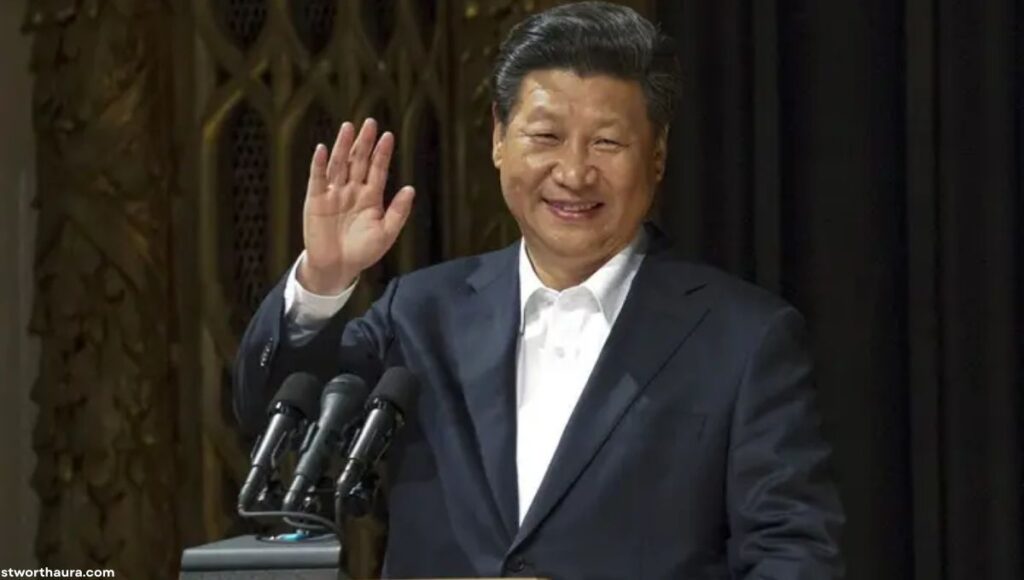

When people search xi jinping net worth, it’s usually because they’re curious or even a little confused about the power and wealth behind a global leader. You might be wondering about Xi Jinping daughter, Xi Jinping net worth in billion, Xi Jinping net worth Forbes, Xi Jinping house, Xi Jinping net worth in dollars, Xi Jinping salary, Xi Jinping wife, and even Xi Jinping age, all at once. It’s normal to feel overwhelmed trying to separate rumors, headlines, and real facts about someone so influential.
In this blog post, we break everything down in a clear and simple way so you don’t have to dig through endless sources. You’ll get a realistic look at xi jinping net worth, where the numbers come from, and what is actually known versus what is speculation. By the end, you’ll feel informed, confident, and glad you kept reading.
How Rich Is Xi Jinping?
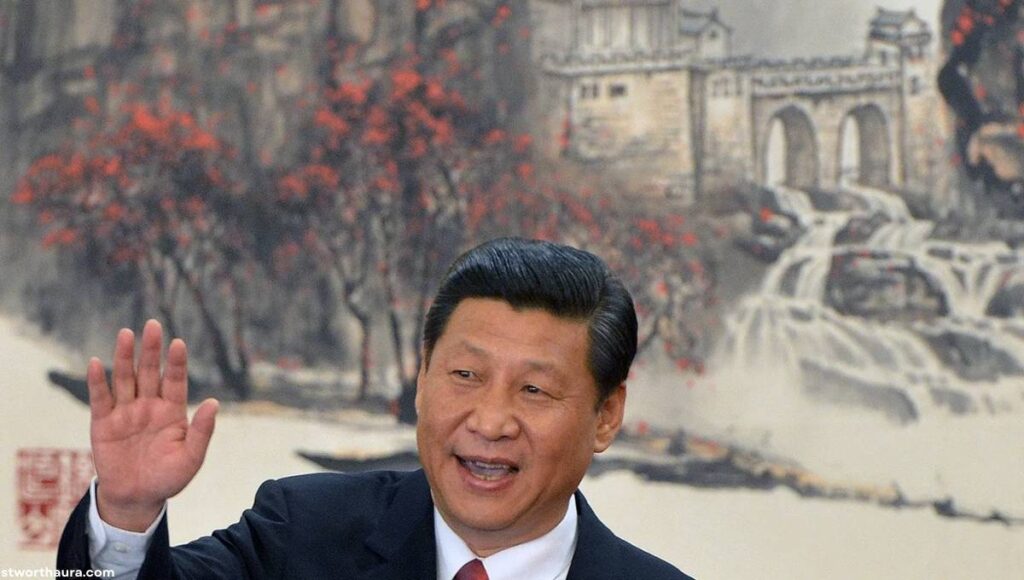
The wealth of China’s president is shrouded in secrecy and conflicting reports.
Xi Jinping net worth Forbes and other financial publications have struggled to provide accurate estimates due to China’s strict information controls. Most conservative estimates place his personal wealth at around $1 million to $1.5 million. However, these figures only account for his official government salary and publicly declared assets.
According to a controversial 2012 Bloomberg investigation, Xi Jinping’s family wealth was estimated at approximately $376 million. This report examined investments held by his relatives in companies spanning real estate, technology, and rare earth minerals. The Chinese government immediately censored this report and blocked Bloomberg’s website throughout mainland China.
Xi Jinping net worth in dollars could realistically range anywhere from $1 million to $1.2 billion depending on whether you count family assets. His wife Peng Liyuan, a famous folk singer, has her own substantial earnings. Xi Jinping daughter Xi Mingze studied at Harvard, suggesting the family has access to considerable resources.
Xi Jinping’s Net Worth
Breaking down the actual wealth requires examining multiple sources of income and assets.
Official Presidential Salary
Xi Jinping salary as President of China is surprisingly modest by international standards. His official government compensation is estimated at around $20,000 to $22,000 annually. This figure seems almost laughably low for someone leading the world’s second-largest economy.
However, government salary tells only a fraction of the story. The real wealth lies in family business holdings and investments accumulated over decades. This is where the mystery deepens significantly.
Family Business Holdings and Investments
Xi Jinping’s wife Peng Liyuan earned substantial income during her career as one of China’s most famous singers. As a civilian member of the People’s Liberation Army, she held the rank of major general. Her performances and recordings generated significant revenue over the years.
The extended Xi family has investments in rare earth companies, which are crucial for electronics manufacturing. His sister and brother-in-law have been linked to real estate developments and technology firms. These business interests have flourished particularly during Xi’s rise to power.
Xi Jinping house and residential properties remain largely unknown to the public. He resides in the heavily guarded Zhongnanhai compound in Beijing. The actual living quarters and personal properties owned by the family are state secrets.
Wealth Breakdown Table
| Source of Wealth | Estimated Value | Details |
| Official Government Salary | $20,000-$22,000/year | Presidential compensation |
| Family Business Holdings | $200-$376 million | Bloomberg 2012 estimate |
| Wife’s Entertainment Earnings | $10-$20 million | Career as folk singer |
| Real Estate Investments | Unknown | Family properties |
| Corporate Shares (relatives) | $100+ million | Various companies |
Education of Xi Jinping
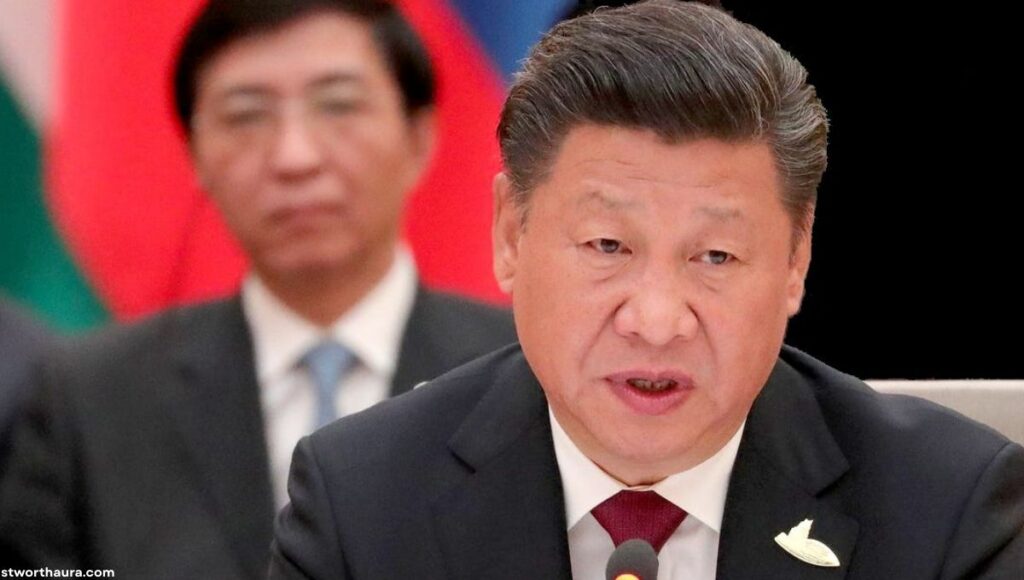
Xi Jinping’s education journey is deeply intertwined with China’s tumultuous political history.
Early Life and Cultural Revolution Impact
Born on June 15, 1953, in Beijing, he came from a revolutionary family with significant political pedigree. His father, Xi Zhongxun, was a Communist revolutionary and former vice premier of China. His early education was disrupted by the Cultural Revolution (1966-1976).
Like millions of Chinese youth, Xi was sent to the countryside as part of Mao’s “Down to the Countryside Movement.” Between 1969 and 1975, he lived in Liangjiahe village in Shaanxi Province, performing manual labor. This period profoundly shaped his worldview and leadership style.
He lived in a cave dwelling, worked in fields, and experienced extreme poverty firsthand. These seven years gave him credibility as someone who understands rural China’s struggles. He frequently references this experience in his speeches today.
University Education at Tsinghua
In 1975, Xi gained admission to Tsinghua University in Beijing, one of China’s most prestigious institutions. He studied chemical engineering and graduated in 1979. His admission came partly due to his father’s political rehabilitation after years of persecution.
Xi later pursued advanced degrees while working in government positions. He obtained a degree in Marxist theory and ideological education from Tsinghua University in 1998. In 2002, he received a doctorate in law, though some scholars have questioned the rigor of his doctoral work.
Political Career of Xi Jinping
Xi Jinping’s political career spans over four decades of steady advancement through Party ranks.
Early Government Positions (1970s-1980s)
After returning from the countryside, he worked as secretary to Geng Biao, China’s Minister of Defense. This position gave him valuable exposure to high-level politics and military affairs. His formal political positions started at the county level in Hebei Province in the early 1980s.
He served as deputy secretary of Zhengding County, where he focused on economic development. These grassroots experiences taught him about local governance and policy implementation. This foundation proved crucial for his later success.
Provincial Leadership Roles
From 1985 to 2002, Xi held various leadership roles in Fujian Province. He started as vice mayor of Xiamen and gradually rose through the ranks. During this period, he developed a reputation as a pragmatic administrator focused on economic growth.
In 2002, Xi became Party Secretary of Zhejiang Province, one of China’s wealthiest regions. He promoted private enterprise and foreign investment while maintaining political control. His brief stint as Shanghai Party Secretary in 2007 proved crucial for his national ascent.
Rise to National Leadership
In 2007, Xi was elevated to the Politburo Standing Committee, China’s highest decision-making body. He also became Vice President of China in 2008. These roles positioned him as the heir apparent to President Hu Jintao.
Also Read About: Jann Mardenborough Net Worth Explained (2026)
Xi Jinping is Leading China Since 2012
Xi Jinping assumed leadership of China through a carefully orchestrated transition.
Becoming China’s Paramount Leader
In November 2012, he became General Secretary of the Chinese Communist Party, the most powerful position. In March 2013, he was formally elected President of the People’s Republic of China. He also chairs the Central Military Commission, giving him control over China’s armed forces.
This consolidation of three key positions made him the paramount leader. Xi Jinping age at the time was 59, relatively young for Chinese leadership. His power consolidation was unprecedented since Deng Xiaoping’s era.
Major Policies and Achievements
- Belt and Road Initiative – Ambitious infrastructure project spanning Asia, Africa, and Europe
- Anti-corruption campaign – Prosecuted over a million officials since 2012
- Poverty alleviation – Claims to have lifted millions out of extreme poverty
- Military modernization – Strengthened China’s armed forces significantly
- Chinese Dream – National rejuvenation campaign promoting prosperity
His signature foreign policy initiative extends China’s global influence significantly. The anti-corruption campaign, while targeting genuine corruption, also eliminated political rivals. Domestically, he has tightened ideological control and strengthened censorship.
Constitutional Changes and Indefinite Rule
In 2018, Xi orchestrated the removal of presidential term limits from China’s constitution. This amendment allows him to rule indefinitely, breaking with precedent set by Deng Xiaoping. He secured a third term in 2022 and appears set to lead China for years.
His leadership style emphasizes personal authority and Xi Jinping Thought, enshrined in the Party constitution. This places him alongside Mao Zedong and Deng Xiaoping in importance. He has cultivated a personality cult unprecedented since Mao’s era.
Personal Information Xi Jinping
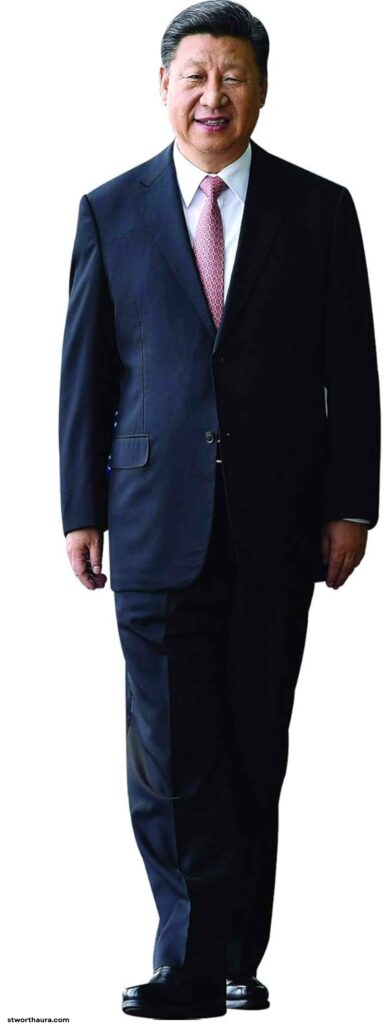
Basic details about China’s paramount leader reveal his elite background and family connections.
Personal Profile and Background
| Personal Detail | Information |
| Full Name | Xi Jinping |
| Date of Birth | June 15, 1953 |
| Age | 71 years |
| Birthplace | Beijing, China |
| Height | 5’11” (180 cm) |
| Current Position | President of China, General Secretary CCP |
| Years in Power | Since 2012 |
| Political Party | Chinese Communist Party |
Family and Marriage
His first marriage was to Ke Lingling in 1979, which ended in divorce after three years. His second and current marriage is to Peng Liyuan, whom he wed in 1987. Peng Liyuan is a renowned folk singer and holds the civilian rank of major general.
The couple has one daughter, Xi Mingze, born in 1992. She studied psychology at Harvard University under a pseudonym to maintain privacy. Little is publicly known about her current activities as the family keeps her life extremely private.
Lifestyle and Residence
The family resides in the exclusive Zhongnanhai compound in central Beijing. This heavily guarded complex houses China’s top leadership. Xi Jinping’s personal interests include reading classical Chinese literature and philosophy.
Comparing Xi’s Wealth to Other World Leaders
Understanding where Xi stands among global leaders provides important context.
Wealth Comparison Table
| World Leader | Estimated Net Worth | Country |
| Vladimir Putin | $70-200 billion (alleged) | Russia |
| King Salman | $18 billion | Saudi Arabia |
| Sheikh Mohammed bin Zayed | $30 billion | UAE |
| Xi Jinping | $1 million – $1.2 billion | China |
| Joe Biden | $10 million | United States |
| Emmanuel Macron | $31 million | France |
How Xi Compares
While Xi Jinping net worth estimates vary widely, he’s far below the richest political leaders. Russian President Putin’s alleged hidden wealth ranges between $70-200 billion. Middle Eastern monarchs control fortunes in the tens of billions through direct access to oil revenues.
Among democratic leaders, Xi’s wealth appears more modest. U.S. President Joe Biden’s net worth is around $10 million from book deals and real estate. The key difference is transparency, Western leaders must disclose assets publicly while Xi operates with complete opacity.
The Transparency Problem in China
China’s political system lacks meaningful financial disclosure for top leaders.
No Public Financial Disclosure
Unlike democracies where politicians must reveal assets and income, Chinese Communist Party officials operate with complete opacity. The Party has internal disclosure systems, but these reports are never made public. There is no independent oversight or verification.
Media censorship compounds the transparency problem significantly. Chinese journalists cannot investigate leadership finances without facing severe consequences. International media outlets attempting such reporting have been blocked and had reporters expelled.
The Bloomberg Investigation Aftermath
The 2012 Bloomberg investigation into Xi’s family wealth demonstrates these challenges perfectly. After publishing their findings, Bloomberg faced immediate retaliation. The Chinese government blocked access to their website and prevented business expansion in China for years.
Controversies Around Xi Jinping’s Wealth
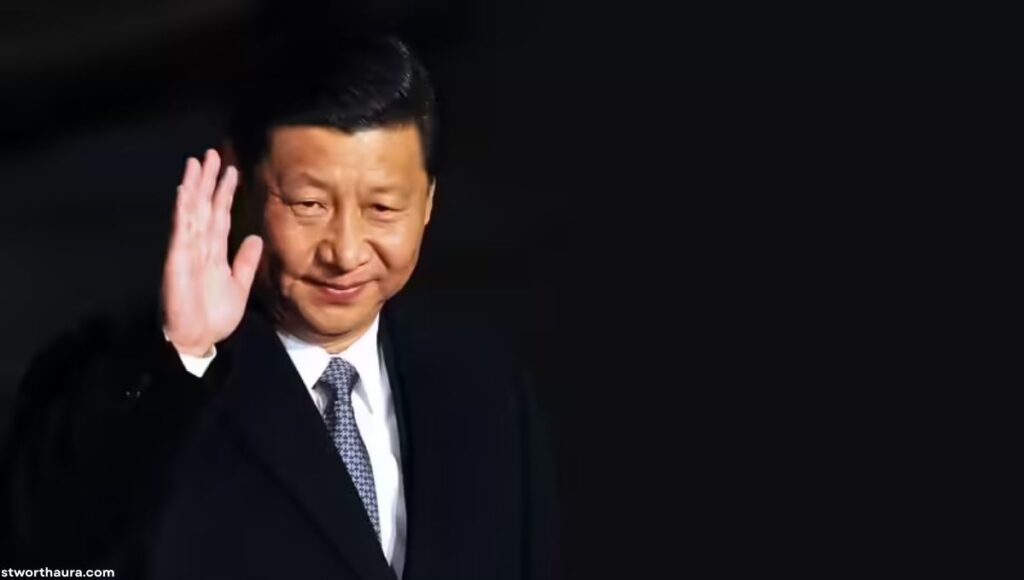
Several scandals have raised questions about Xi family finances.
Panama Papers Revelations
The Panama Papers leak in 2016 revealed offshore companies linked to Xi’s relatives. His brother-in-law was named as a shareholder in companies registered in the British Virgin Islands. While Xi himself wasn’t directly implicated, the connections raised serious questions.
These revelations were particularly embarrassing given Xi’s high-profile anti-corruption campaign. He had positioned himself as a crusader against graft and excess. Evidence of his family using offshore tax havens contradicted this moral image.
Government Response and Censorship
The Chinese government’s response was swift and severe. Media coverage was immediately censored domestically. Searches for related terms were blocked on social media. The government never addressed specific allegations, choosing suppression instead.
Impact of Xi’s Wealth on Leadership
Personal financial interests could influence policy decisions in ways the public cannot see.
The Common Prosperity Campaign
Xi’s common prosperity campaign launched in 2021 aims to reduce wealth inequality. The campaign has targeted billionaires, tech companies, and private education sectors. The crackdown on Chinese billionaires like Jack Ma appears contradictory if Xi possesses significant wealth.
Some analysts argue this campaign is about political control rather than wealth redistribution. By demonstrating he can destroy even the richest citizens, Xi reinforces supreme authority. Others suggest it represents genuine concern about inequality threatening social stability.
Understanding China’s Political Economy
The system allows political power to convert into family wealth through relatives.
The Princelings Phenomenon
Princelings are children of revolutionary leaders who enjoy privileged access to education and business opportunities. Xi exemplifies this class, having benefited from his father’s position throughout his life. Family members often enter business rather than politics directly.
This creates a system where officials maintain modest salaries while relatives build business empires. State-owned enterprises play a crucial role in this wealth generation. Family connections secure lucrative contracts and favorable regulations.
Frequently Asked Questions
Who has the highest net worth in China?
Many believe billionaires lead China, but xi jinping net worth often sparks the biggest curiosity.
How much does the Chinese president make?
Official salaries are modest, yet xi jinping net worth discussions overshadow his reported presidential income.
Is the Chinese government wealthy?
China controls vast assets, so xi jinping net worth is often compared to overall government wealth.
Why is Xi Jinping so powerful?
His authority comes from party control, while xi jinping net worth rumors amplify perceptions of power.
What is the 3-hour rule in China?
The rule limits gaming time, unrelated to xi jinping net worth but tied to youth policies.
Can China Navy beat the US Navy?
Military debates mention power balance, not xi jinping net worth, though leadership influences strategy globally.
Conclusion
Understanding xi jinping net worth is confusing for many readers today. People search xi jinping net worth because real numbers feel hidden. Topics like Xi Jinping net worth in billion, Xi Jinping net worth Forbes, and Xi Jinping net worth in dollars raise curiosity. Questions about Xi Jinping salary, Xi Jinping house, Xi Jinping wife, Xi Jinping daughter, and Xi Jinping age make people more interested.
xi jinping net worth remains a topic filled with debate and mystery. This guide explained xi jinping net worth in a simple way. By reviewing facts and public reports, jinping net worth becomes easier to understand. Readers can now view Xi Jinping’s net worth with clearer thinking and realistic expectations.